When I think of social work and literature reviews, science is not a term that immediately comes to mind. When I think of science, I think about people in a lab wearing white coats and trying to come up with a cure for something like cancer. I would never have connected the dots about science playing a role, until I started my social work research class this Spring semester. I have begun to think critically about how science plays a part and how social work is categorized in the field of social sciences. In Social work as well as literature reviews, I have to research, assess, analyze and develop solutions to social problems. So just like a scientist, my conclusions are finalized to help society at large with problems that affect the lives of many at the micro, mezzo and macro levels.
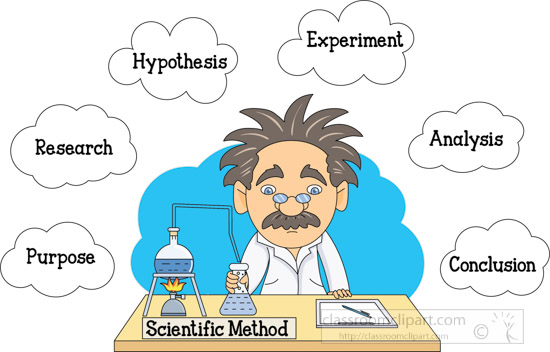
Literature reviews are written papers that you build and gather information to develop a thesis. The review process builds upon the literature gathered brick by brick and you discuss what each brick brings to the topic at hand. Layer each brick with a discussion of what each brick of knowledge brings to the overall research. After the foundation has been built, you have an experiment to test out the topic and you can critically think about what has been built. The final end point is the like the house that has been built
I recently learned about a term called program evaluations, which deals with a system of collecting and analyzing data and showing how programs can be effective and implemented. This evaluation uses evidence-based practices to determine how well the program is being run and if changes need to be made for the better. Evidence based practice is a procedure where you can ask questions, analyze the answers and then use results to objectively look at patterns using science. The scientific model based on all of this data can have come up with a hypothesis that can be tested for accuracy and be unbiased in it’s findings. Research outcomes and conclusions are thereby less likely to have biased false results. These evaluations provide information that is relevant and useful to improve and make programs better for public consumption.

Literature reviews involve extensive research of a topic that has already been studied and argued to support a final thesis. This organized methodical process where you have to analyze prior works or knowledge or papers that build upon the topic that you want to support. Once all of these prior papers are in place, you have that foundational knowledge to support the information gathered and build an argument to improve upon the work that has come before you. This process is organized, detailed and cohesive once everything is documented and argued. You become a scientist as well using logic and critical thinking to build a final project that will convince others of the importance of your work. The final thesis bears the fruits of your research labor and is then available for the next generation of social workers to one day also review and study.
 Site Title
Leave a comment